Eat Better on a Budget with Smart Meal Prepping

Quick Tip
Spend two hours on Sunday prepping bulk ingredients to save time and money throughout the busy week.
It’s 11:00 PM on a Tuesday, you’re exhausted from a long study session, and the only thing in your fridge is a lonely jar of pickles. You end up spending $15 on a lukewarm takeout order because you didn't have a plan. This post breaks down how to avoid that cycle by using smart meal prepping to save money and keep your energy up during the semester.
How Much Does a Weekly Grocery Budget Need to Be?
Most college students can eat well on a budget of $50 to $75 per week depending on their location. This amount covers basic staples like grains, proteins, and seasonal produce. It’s helpful to track your spending using an app or a simple spreadsheet to see where your money actually goes.
To keep costs low, focus on "anchor" ingredients that work in multiple dishes. For example, a large bag of rice and a carton of eggs can serve as the base for several different meals.
- Bulk Buy: Purchase oats, pasta, and beans in larger quantities to lower the price per serving.
- Frozen over Fresh: Frozen vegetables (like the ones from Green Giant) are often cheaper and just as nutritious.
- Store Brands: Don't be afraid of the "generic" versions of staples; they are usually identical to name brands.
What Are the Best Tools for Meal Prepping?
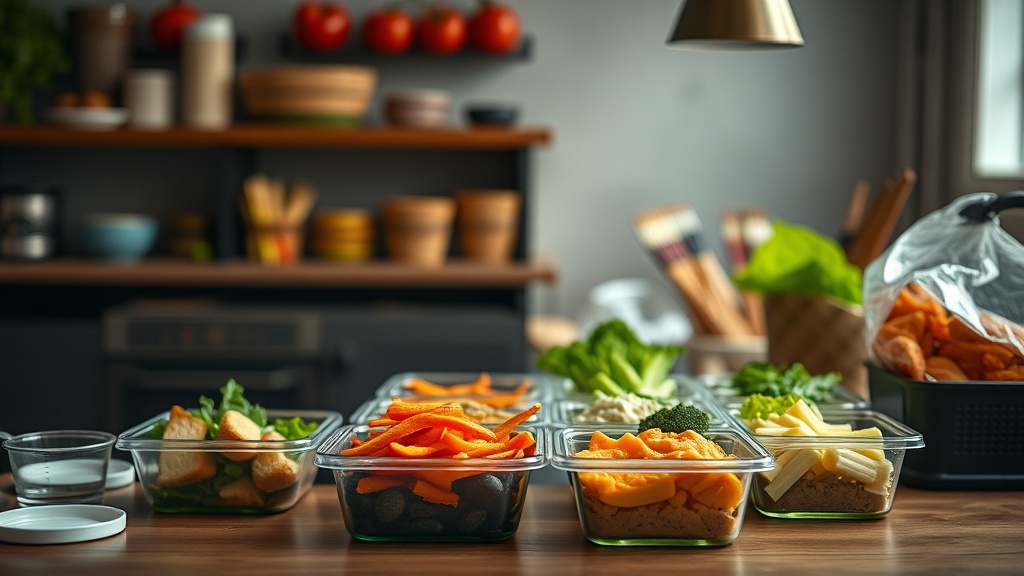
The best tools for meal prepping are durable, airtight containers that make portioning easy. You don't need a professional kitchen setup, but having a few reliable items makes the process much faster.
I highly recommend investing in a few glass containers—they don't stain like plastic ones do—and a decent slow cooker. If you're short on space in a dorm or apartment, a small Ninja blender can also be a lifesaver for quick breakfasts.
| Tool | Why It Helps | Cost Level |
|---|---|---|
| Glass Meal Prep Containers | Keeps food fresh and easy to reheat. | Moderate |
| Slow Cooker | Cooks large batches of food while you're in class. | Low/Medium |
| Digital Kitchen Scale | Ensures consistent portion sizes. | Low |
How Do I Start Prepping Without Spending All Sunday?
Start by prepping just one or two components of a meal rather than full recipes. You don't have to spend six hours in the kitchen every Sunday—that's a recipe for burnout.
Try "component prepping" instead. Roast a tray of vegetables, cook a large pot of quinoa, and grill some chicken or tofu. Once these are in the fridge, you can mix and match them throughout the week to create different bowls or wraps. This keeps things from getting boring (and prevents that "food fatigue" we all experience).
If you find that your diet is affecting your ability to stay productive, you might want to look into strategies to maintain focus during long study sessions. Good food is one of the easiest ways to keep your brain from fogging up.